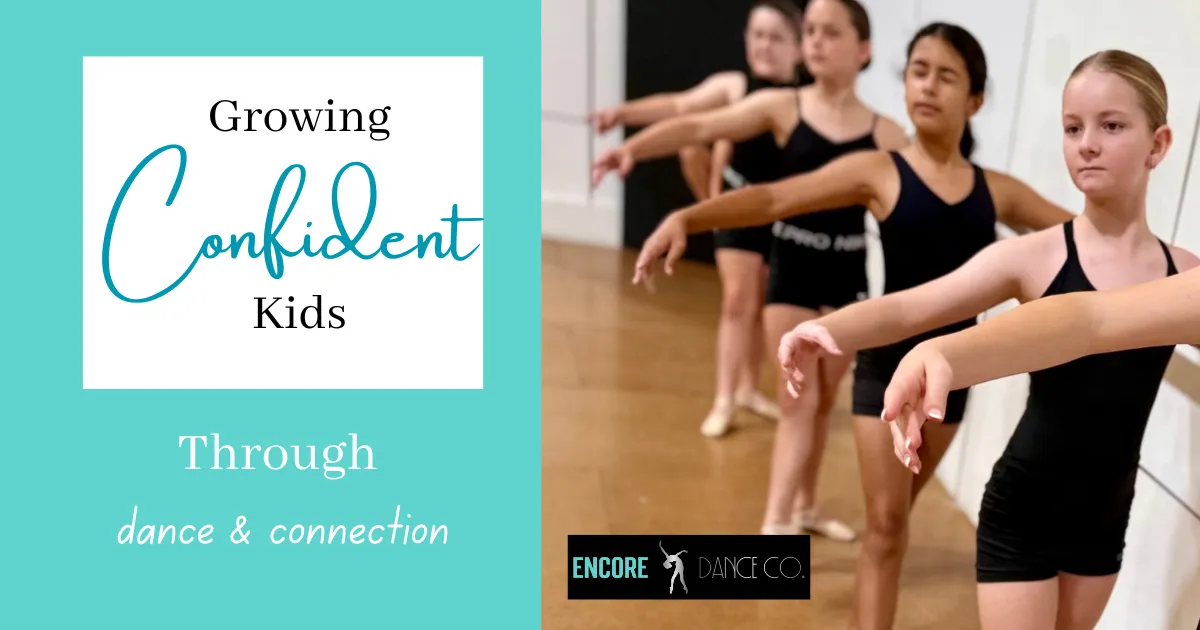
How Dance Builds Resilience in Children
How Dance Builds Resilience in Children
Resilience is one of the most valuable life skills children can develop.
It helps children:
cope with challenges
adapt to change
recover from setbacks
build confidence
keep trying when things feel difficult
While resilience develops in many different ways throughout childhood, positive extracurricular activities can play an incredibly important role in helping children strengthen these skills.
Dance is one of the beautiful resilience activities for children because it gently teaches persistence, confidence, emotional growth, and self-belief in a supportive and encouraging environment.
Through movement, creativity, teamwork, and gradual progress, children learn that growth doesn’t happen instantly, and that’s okay.
Dance Teaches Children That Progress Takes Time
In dance, children quickly learn that new skills often take practice, patience, and repetition.
Whether learning:
a new step
coordination skills
flexibility
musicality
performance confidence
…children begin understanding that improvement happens gradually over time.
This helps children develop:
perseverance
patience
problem-solving skills
healthy determination
Instead of expecting perfection immediately, supportive dance environments encourage children to celebrate progress and keep trying even when something feels challenging.
These experiences help build resilience both inside and outside the studio.
Confidence Through Dance Grows Slowly and Naturally
Confidence is rarely built overnight.
For many children, dance becomes a space where they slowly begin stepping outside their comfort zone in safe and manageable ways.
This may look like:
participating in class independently
performing in front of others
trying unfamiliar movements
making new friendships
overcoming nerves
expressing themselves creatively
Each small achievement helps children build trust in themselves.
Over time, confidence through dance often carries into:
school
friendships
social situations
classroom participation
everyday life
Children begin realising they are capable of more than they first believed.
Dance Helps Children Learn From Mistakes
Mistakes are a normal and important part of learning in dance.
Children may:
forget choreography
lose balance
feel nervous
struggle with a new skill
need extra time to understand something
Supportive dance classes teach children that mistakes do not mean failure.
Instead, mistakes become opportunities to:
learn
grow
improve
try again
When children feel emotionally safe and encouraged, they become more willing to take healthy risks and continue learning even when things feel difficult.
This mindset is an incredibly important part of resilience.
Performing Arts Benefits Go Beyond the Stage
One of the most valuable performing arts benefits is the emotional growth children experience throughout the process.
Dance encourages children to:
face challenges positively
work through nerves
stay committed to goals
support classmates
handle performance pressure gradually
develop emotional strength
These experiences help children build coping skills and confidence in supportive, age-appropriate ways.
Children learn they can feel nervous and still succeed.
They learn they can try again after setbacks.
They learn that progress matters more than perfection.
Those lessons stay with them long after class ends.
Teamwork and Support Build Emotional Strength
Dance also teaches resilience through connection and community.
Children learn:
how to encourage others
how to work together
how to celebrate classmates’ successes
how to support one another through challenges
Being part of a positive and welcoming dance community helps children feel:
included
emotionally supported
valued
connected
Strong support systems help children develop resilience because they know they are not facing challenges alone.
A Supportive Environment Makes All the Difference
Resilience grows best in environments where children feel:
safe
encouraged
respected
accepted
supported at their own pace
Positive dance environments focus on:
encouragement over pressure
growth over perfection
confidence building
emotional wellbeing
joyful participation
Children are far more likely to develop healthy resilience when they feel emotionally safe enough to keep trying, learning, and growing.
Dance Helps Prepare Children for Life Beyond the Studio
The resilience children develop through dance often extends far beyond performances or technique.
They begin building life skills that support them through:
school challenges
friendships
new experiences
emotional setbacks
personal growth
Dance helps children understand that growth takes time, effort, patience, and courage.
That understanding can shape how children approach challenges throughout life.
Looking for Confidence-Building Activities for Children?
If you’re searching for resilience activities for children that support confidence, emotional growth, and self-belief, dance can be a beautiful place to begin.
At Encore Dance Company, children are encouraged to build confidence through dance in a nurturing and inclusive environment that celebrates progress, creativity, and connection.
Families from Midvale, Midland, Brabham, Dayton, Ellenbrook and surrounding Perth Hills suburbs enjoy supportive dance classes focused on helping children grow not only as dancers, but as confident and resilient individuals.
Read More:
